
How to Generate Landing Pages at Scale Without Triggering Google's Scaled-Content Penalty
A production-line guide for SEO leads and agency ops: batching, QA sampling, publish cadence, and retirement planning that keeps quality intact while you scale from 40 to 400 pages a month.

The Real Question Behind 'Generate Landing Pages at Scale' Is a Production Problem
You're not short of landing page ideas. You're short of a repeatable way to push 100, 200, or 400 pages a month through a pipeline that guarantees quality. Scaling is an operations challenge, not a writing task: without batch controls, QA sampling, and a retirement plan, quality drifts and Google's scaled-content abuse policy starts to matter.
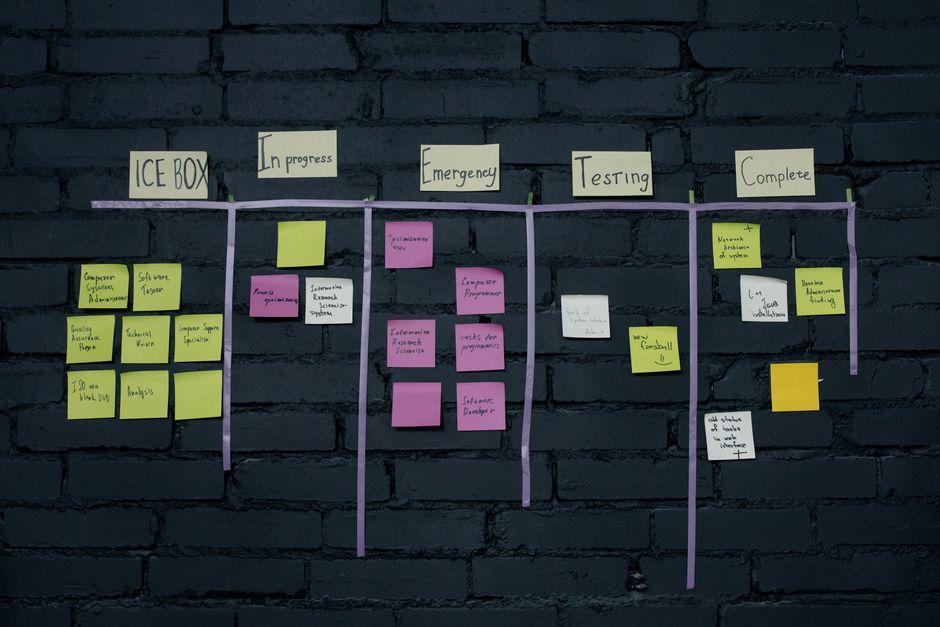
Scaling landing pages works when you treat it like a factory floor: clear inputs, defined stations, measured defects, planned obsolescence.
What Google's Scaled-Content Abuse Policy Actually Says
Google's spam policies define scaled content abuse as generating many pages primarily to manipulate rankings without adding value. It doesn't ban AI content; it bans low-value content at scale. The March 2024 core update reinforced this, with Google reporting a ~45% reduction in low-quality content in results. The policy is about outcome (value), not method. Your job is a process that makes junk statistically unlikely and detectable early.
How to Set a Throughput Target That Respects Your Quality Bar
Start with a measurable quality threshold, not a page count: “90% of pages must pass a human quality score of 4/5 or higher.” Then work backwards. A property portal with 12,000 suburb × listing-type intents might target 150 pages/month in month one, rising to 400 by month six-only if the defect rate stays below 8%.
Distinct search intents in a single property vertical-far beyond manual capacity
The Seven-Stage Assembly Line: From Intake to Retirement
- Intake: Capture demand from keyword tools, site search, sales, and customer questions.
- Brief: Define the unique angle, required data points, and internal links.
- Draft: Assemble from a template with variable data and unique value blocks.
- QA: Sample and score each batch against a rubric.
- Publish: Push live in controlled batches.
- Measure: Track impressions, clicks, and engagement per page within 30 days.
- Retire: Prune or redirect consistent underperformers.
Most programmes fail at station 6 or 7: they publish but never measure, so bad pages accumulate.
How to Decide Batch Size and Publishing Cadence
Publish in batches of 20-50 pages weekly. If each page has a 2% chance of a major defect, a batch of 50 has a 64% chance of at least one defect (1-(1-0.02)^50). Larger batches make sampling less effective; weekly cadence gives you time to react.
Probability of Defects by Batch Size
Assume each page has an independent 2% chance of a major defect (wrong data, off-brand copy, broken link).
| Batch Size | P(at least one defect) | Suggested QA Sample (95% confidence) |
|---|---|---|
| 20 | 33% | All 20 (100%) |
| 50 | 64% | 30 (60%) |
| 100 | 87% | 40 (40%) |
| 200 | 98% | 50 (25%) |