

AI Content at Scale: A How-To for One Marketer Tripling Output Without Breaking Trust
A practical walkthrough for the in-house SEO or content lead asked to 'use AI' on a lean team - covering prerequisites, seven concrete steps, and the failure modes that quietly undo a programme.
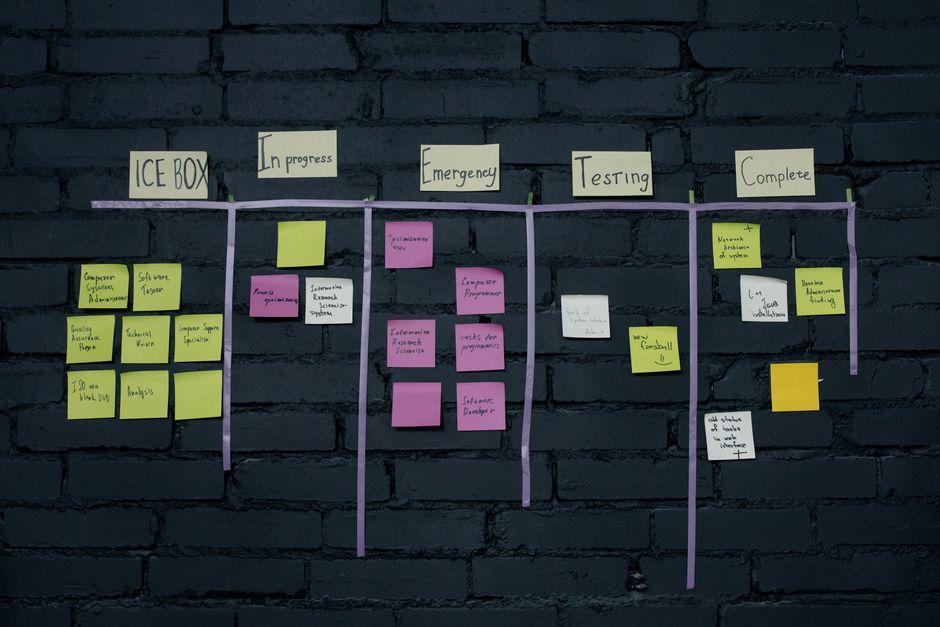
AI Content at Scale Means Two Very Different Things (Read This First)
Search the phrase and you'll hit two unrelated products. The first is a batch machine: a CSV of 500 keywords, a template, and a publish button. That is a volume play, and Google's spam policies on scaled content abuse now target it directly. The second - the one this walkthrough covers - is a disciplined way for a single marketer to produce more genuinely useful pages per month than they could alone, with a named reviewer and a feedback loop.
The distinction that matters: are you generating pages to cover demand, or generating pages because generation is cheap? Google's guidance rewards the first and demotes the second.
Who This Walkthrough Is For: One Marketer, One Brief, Not Enough Hours
Picture the in-house SEO lead at a Johannesburg or Cape Town property group - 6,000 listings, 11 suburbs, four writers who left last year. The instruction from above: "Use AI, triple our output by Q3." No new headcount. This article is the operating plan for that person. It assumes you write, brief, edit and publish yourself, and that your brand has a reputation worth protecting.
The Rules You Are Actually Working Inside: Google's Position on AI-Generated Content
Google has been explicit since February 2023 that AI-generated content is acceptable if it is original, helpful and not created primarily to manipulate rankings. The March 2024 core update formalised scaled content abuse, and the people-first content guidance spells out the self-assessment. Read it once and keep it open.
Prerequisites: Five Things to Have in Place Before You Draft a Single Page
- A fact source you trust - product feed, listing database, or rates sheet, exported cleanly.
- A brand voice sample - three of your best existing pages the model can read as reference.
- A named reviewer - you or a subject specialist. Not "the team".
- A publish path - where pages live, and whether that's a subdomain or connected custom domain.
- A measurement baseline - current impressions and clicks for the cluster you plan to grow.
Step 1: Pick a Cluster You Can Judge in Six Weeks, Not Six Months
First, choose 20-40 related queries in one narrow cluster - say "pet-friendly rental apartments in Pretoria East" rather than "property". You need to be able to read the results in six weeks and know honestly whether the pages helped. Broad clusters hide your mistakes.
Then Build a Fact Sheet Before You Build a Prompt
Before any drafting, write one page of verified facts per cluster: suburb boundaries, school catchments, levy ranges, delivery windows, return policy. This becomes the only thing the model is allowed to draw from. Ungrounded generation is where invented prices appear.
Step 3: Write One Prompt per Page Type, Not One Prompt for Everything
A comparison page, a suburb guide and a category explainer have different jobs. Next, define a short prompt for each page type with fixed sections. Keep prompts under 200 words plus your fact sheet; giant prompts dilute instructions.
Step 4: Put a Named Reviewer Between the Model and the Publish Button
Every draft passes a real person who checks facts against the sheet and brand against the sample. Cap yourself - 15 to 25 pages a day is realistic for careful review. Platforms like Straider formalise this with embedding-score gates and human oversight as fixed stations.